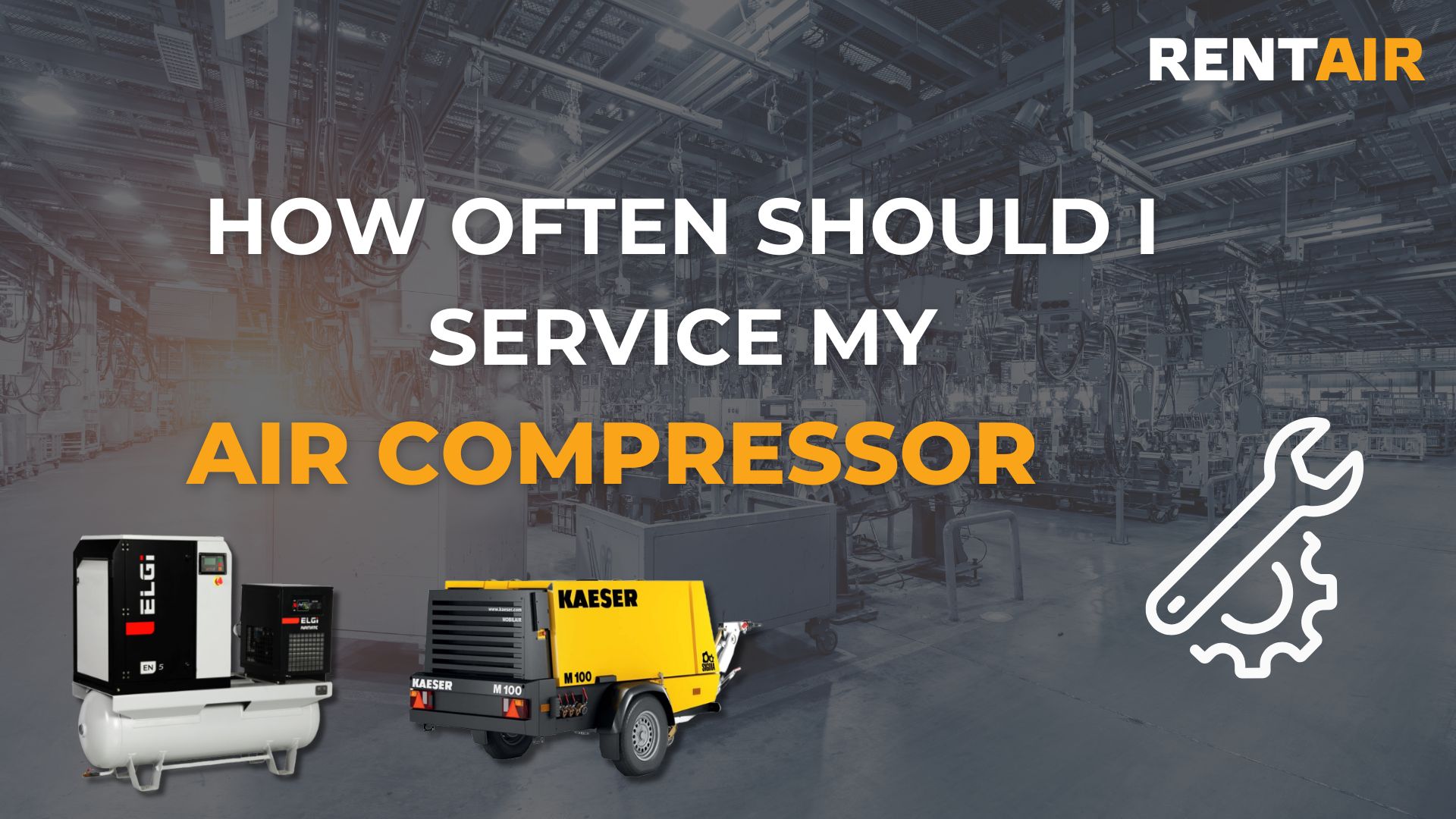

Regular air compressor maintenance is crucial to ensuring the reliable performance of your compressed air system. Whether you’re running a small operation or managing a large facility, taking care of your air compressor on a day-to-day basis can reduce breakdowns, optimise performance, and significantly extend the life of the equipment. Below, we’ll explore why air compressor maintenance matters and provide a checklist to help you maintain your system effectively.
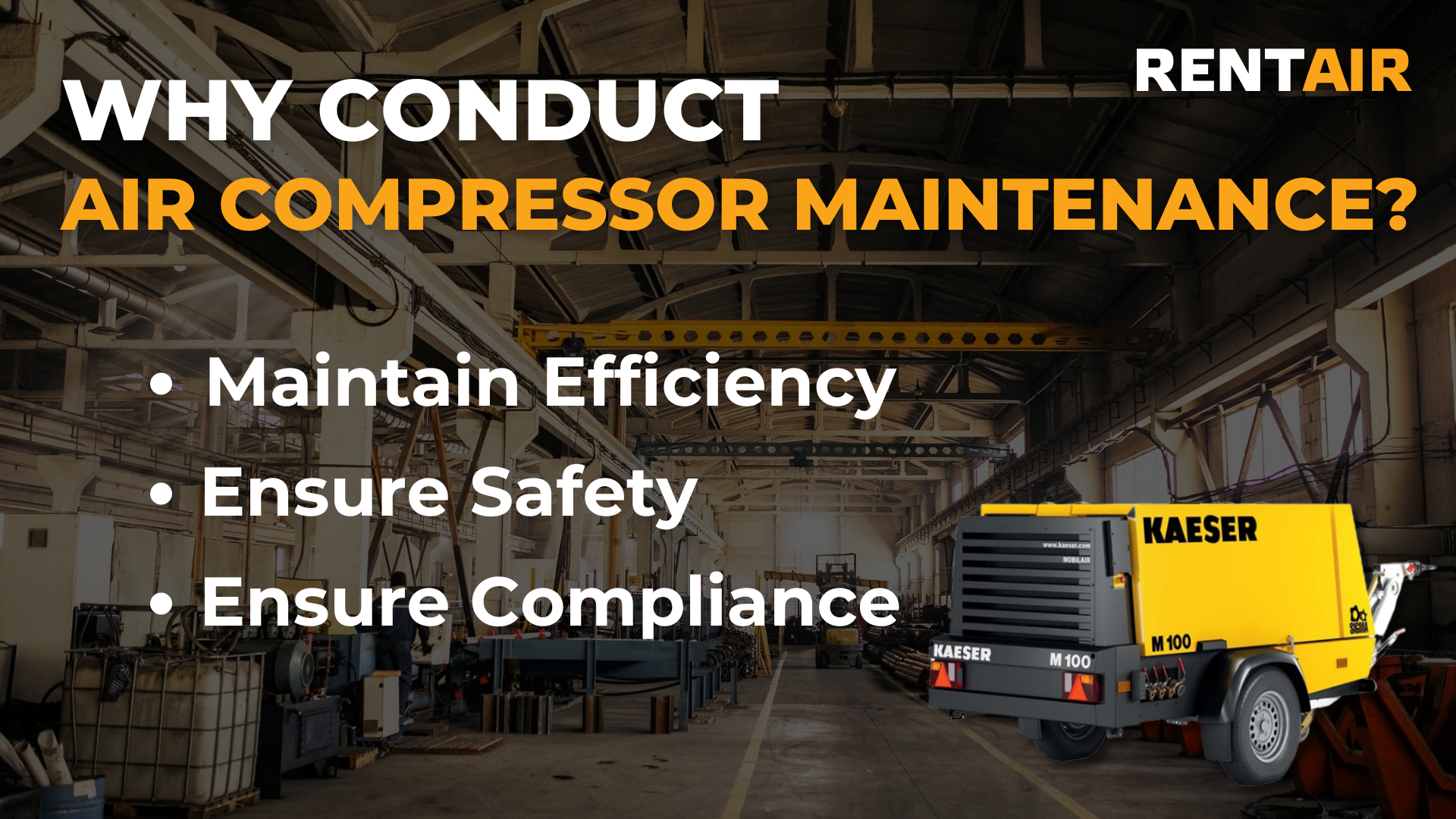
Why Conduct Air Compressor Maintenance?
1. Maintain Efficiency
An air compressor needs to operate efficiently to meet the demands of your business. Issues like leaks in safety relief or suction valves can result in longer run times and reduced capacity, which leads to higher energy consumption. Routine maintenance helps catch these inefficiencies early, keeping your compressor in top condition and saving on operating costs.
2. Ensure Safety
Air compressors can present significant safety risks if not properly maintained. Water build-up from condensate can cause internal corrosion, weakening components and increasing the risk of equipment failure or even explosions. Overheating due to clogged components or lack of ventilation can also pose safety hazards. Regular maintenance checks can help identify and prevent these risks, ensuring the safety of your workers.
3. Ensure Compliance
In Australia, employers are required by law to maintain air compressors in safe working condition. This ensures compliance with Work Health and Safety (WHS) laws. Keeping a record of your maintenance activities and following the manufacturer’s guidelines can help your business stay compliant and avoid penalties.
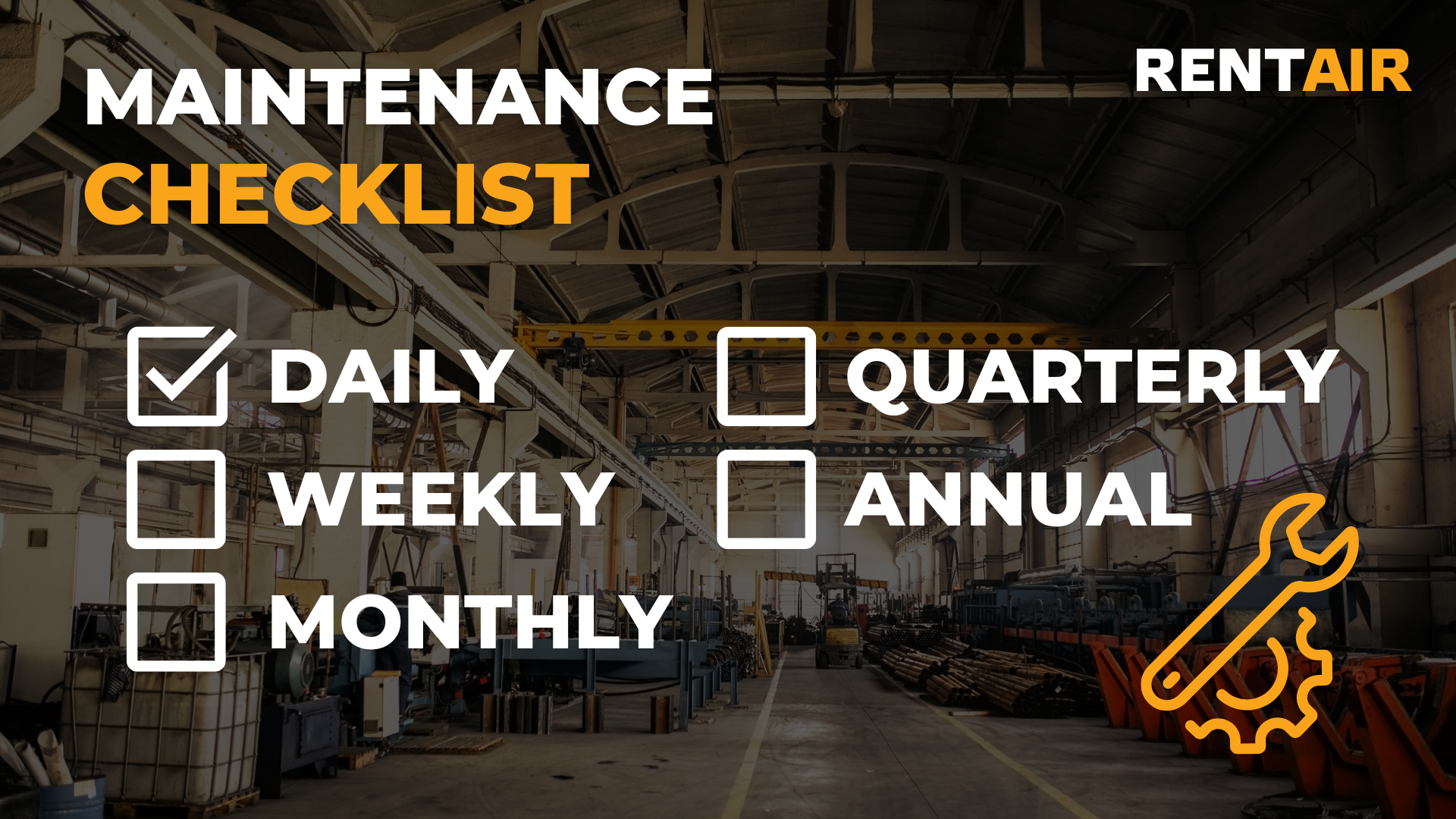
Air Compressor Maintenance Checklist
To ensure your air compressor is operating at peak performance, follow this simple maintenance checklist. Routine tasks can prevent small issues from becoming major problems and help prolong the life of your equipment.
Daily Maintenance:
- Check oil levels (for lubricated compressors) – top up if necessary.
- Drain condensate from the air receiver – prevents water build-up that can lead to corrosion.
- Inspect for air leaks – check hoses, valves, and fittings for any sign of leakage.
- Monitor operating temperature – ensure the compressor is running within the recommended range.
- Listen for unusual noises – identify any abnormal sounds during operation that may indicate potential issues.
Weekly Maintenance:
- Inspect the air filter – clean or replace it if necessary to maintain air quality.
- Inspect belts (if applicable) – check for wear and ensure proper tension.
- Check the safety relief valve – ensure it is functioning properly.
- Examine hoses and connections – ensure there are no signs of wear or leaks.
Monthly Maintenance:
- Test the automatic shutdown system – ensure it is operational to avoid emergency shutdowns.
- Clean the cooler – remove dust or debris that may affect cooling efficiency.
- Check for oil leaks – inspect the compressor and its components for any signs of leakage.
- Tighten all bolts and fittings – ensure no components have loosened.
- Verify pressure settings – ensure pressure levels are accurate and functioning properly.
Quarterly Maintenance:
- Change the oil (for lubricated compressors) – follow manufacturer recommendations for oil change intervals.
- Clean or replace the air intake filter – helps maintain efficiency and air quality.
- Inspect the motor and fan – clean and ensure they are free of dust and debris.
- Check V-belts – inspect for wear and replace if needed.
Annual Maintenance:
- Replace air/oil separator (if applicable) – ensures effective separation of air and oil.
- Inspect and clean the air receiver – inside and out, to prevent rust and ensure safety.
- Conduct a comprehensive inspection – review all parts including valves, bearings, and safety devices.
- Perform an air quality check – ensure the compressed air meets operational specifications.
- Schedule a professional service – have a qualified technician conduct a full inspection and servicing to ensure your system remains in optimal condition.
Have You Considered Renting?
Renting an air compressor can significantly reduce the burden of maintenance. When you hire a compressor from Rent Air, you won’t need to worry about major repairs or servicing. We handle that for you. However, while renting, it’s still important to perform routine checks, like draining condensate and inspecting for leaks, to ensure safe and efficient operation.
Regular air compressor maintenance is essential for efficiency, safety, and compliance. By following the checklist above, you can prevent breakdowns, ensure your equipment runs smoothly, and avoid unnecessary costs. Remember to keep records of your maintenance, adhere to the manufacturer’s guidelines, and consult a professional for more in-depth servicing.
If you’re looking to avoid the hassle of major maintenance, consider hiring your compressor from Rent Air. Renting not only saves you time and resources but also ensures you have access to high-quality, well-maintained equipment. Ready to streamline your air compressor maintenance? Contact Rent Air today for reliable air compressor hire and expert advice.